Floor tiling is where preparation makes or breaks the job, and most of the questions below come back to that. If you’d like advice on your own floor, request a free quotation or email [email protected].
Questions tilers actually get
What's the difference between porcelain and ceramic floor tiles?▾
Porcelain is fired denser and harder, with very low water absorption, which makes it more resistant to wear, chips and staining. For floors, especially hallways, kitchens and anywhere with real foot traffic, porcelain is usually the sensible choice. Ceramic is softer and easier to cut, which keeps costs down, and it’s perfectly good for walls and lighter-use floors.
The honest trade-off is that porcelain is harder to work with, so fixing it well takes proper tools and experience. That’s our problem, not yours.
How do you avoid lippage with large-format tiles?▾
Lippage, where one tile edge sits proud of its neighbour, is the giveaway of a rushed large-format job. We avoid it by getting the substrate genuinely flat first, back-buttering the tiles for full adhesive coverage, using tile levelling clips during fixing, and offsetting joints by no more than a third on long plank formats, because most large tiles have a slight natural bow along their length.
Rectified tiles with their precise, machined edges allow tighter joints, but they’re also less forgiving, which makes the flat substrate even more important.
Does my floor need levelling before tiling?▾
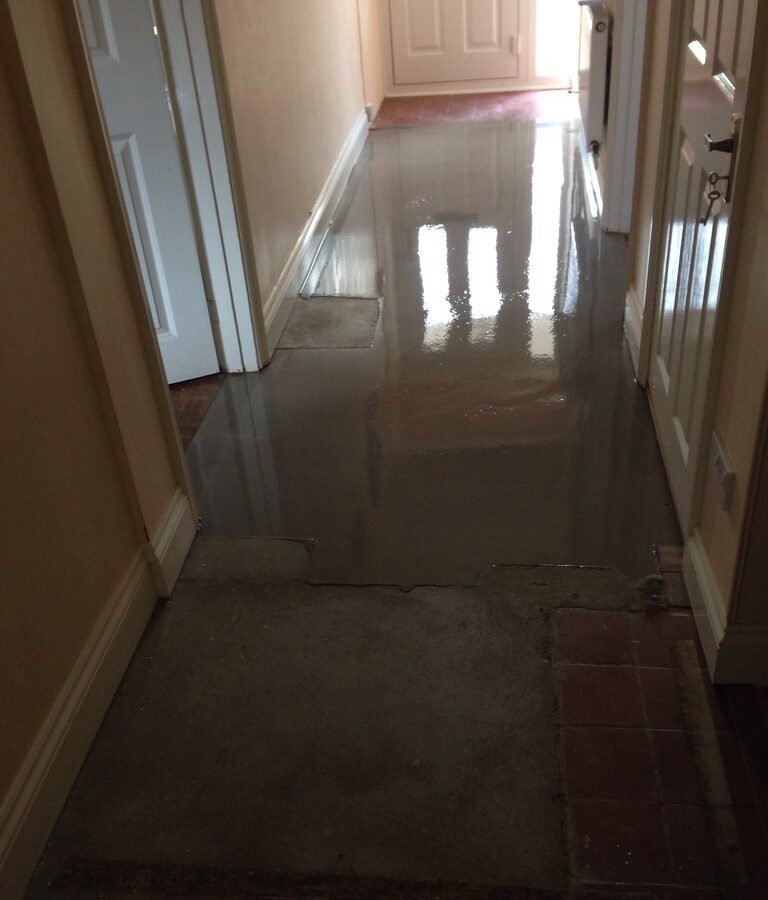
Very often, yes. Tiles will faithfully follow every hump and dip beneath them, so we check flatness before quoting and use self-levelling compound where the floor needs it. Timber floors usually need overboarding or a decoupling membrane as well, to stop natural movement in the boards telegraphing through as cracked tiles or grout.
Preparation is the least glamorous part of the job and the most important, which is why it’s itemised clearly in our written quotations rather than hidden.
How soon can I turn underfloor heating on after tiling?▾
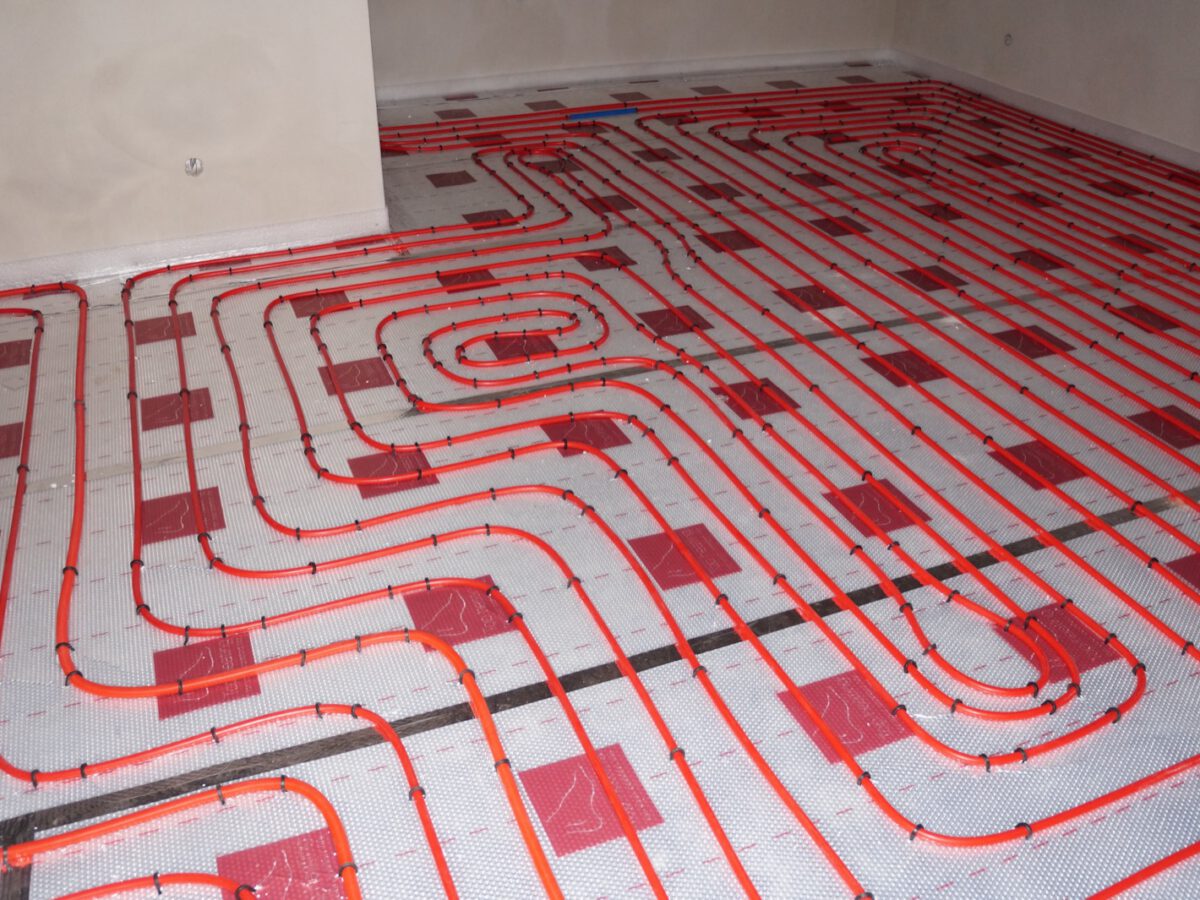
Not straight away, and it’s worth the patience. Grout and adhesive need to cure fully first, so we advise waiting around a week after grouting, then bringing the temperature up gradually over several days rather than switching straight to full heat. A sudden blast of heat into a fresh floor can stress the adhesive bed before it’s reached full strength.
If the heating is going into a new screed, the screed itself must dry and be commissioned before tiling even starts. We’ll set out the full sequence for your job so nothing gets rushed.
What do slip ratings mean and what do I need?▾
Slip resistance is commonly given as an R rating, running from R9 up to R13, with higher numbers giving more grip. As a rule of thumb, a polished porcelain is lovely in a hallway but risky in a wet area; bathroom and wet room floors want a matt or textured finish around R10 to R11, and outdoor tiles should be R11 or above because they’ll be wet and often mucky.
We’ll always flag it if a tile you’re considering isn’t right for the room it’s going in.
What are movement joints and do I need them?▾
Tiled floors expand and contract slightly with temperature and humidity, and movement joints are the flexible breaks that absorb it. In practice that means a flexible perimeter joint where the floor meets walls, joints at doorways between rooms, joints over any structural joints in the building, and intermediate joints in large open areas, in line with British Standard guidance.
Skipping them is a classic cause of tented or cracked floors months after the tiler has gone. We design them in from the start and place them where they’re least conspicuous.